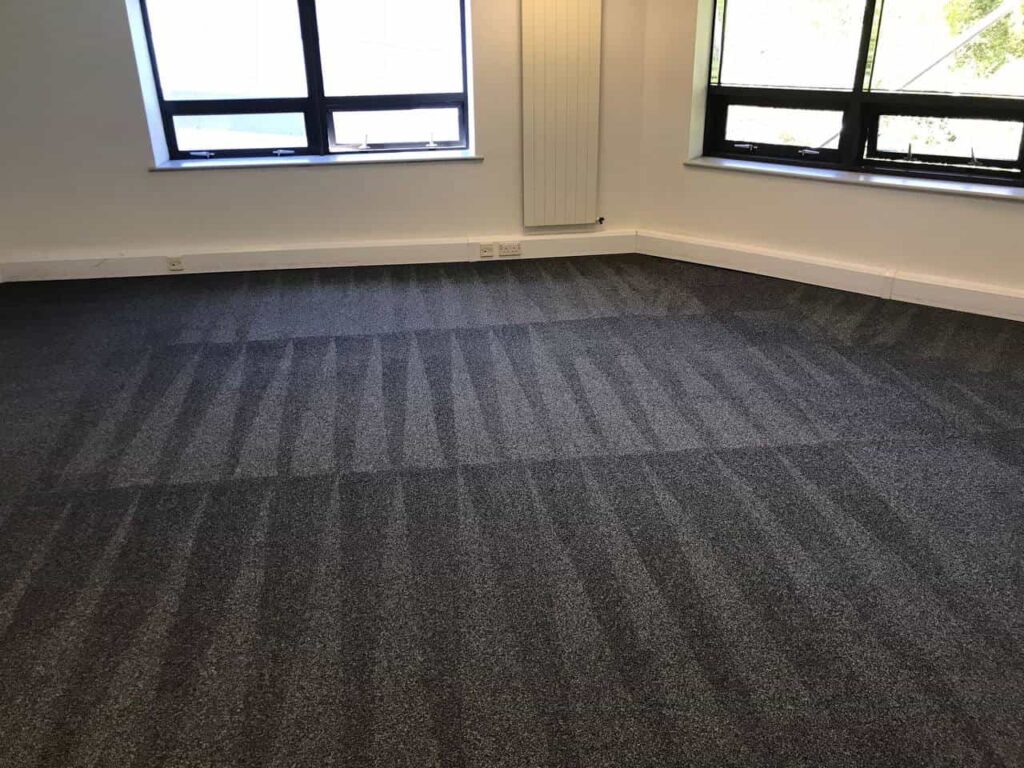
It can be frustrating to clean a carpet stain successfully, only to notice the same mark gradually reappearing once the carpet has dried. This does not necessarily mean that nothing was removed during cleaning. In many cases, the visible stain is only part of the contamination, with residues or moisture remaining deeper within the carpet.
Carpets have several layers, and substances can penetrate beyond the surface fibres into the backing or underlying materials. How a stain was created, how long it has been present and how it was previously treated can all influence whether it returns.
For homeowners and businesses in Norbury, South London, understanding why stains reappear highlights the importance of identifying the type and depth of contamination before deciding how it should be treated.
What Causes Carpet Stains to Reappear After Cleaning?
A stain can return for several reasons, but two of the most common processes involve contamination moving back towards the surface and residues attracting fresh dirt.
A carpet may look clean immediately after treatment because the visible fibres have been improved. As the carpet dries, however, moisture can carry substances from deeper areas upwards. Alternatively, cleaning product left within the fibres can create a slightly sticky surface that gradually collects new soil.
Understanding which process is taking place is important because simply cleaning the visible mark again may not provide the desired result.
Contamination Can Sit Deeper Than the Carpet Surface
When something is spilled onto a carpet, it does not necessarily remain on the visible fibres.
Liquids can travel down through the pile and into the carpet backing. Depending on the quantity spilled and how quickly it was addressed, contamination may penetrate more deeply before the surface appears significantly affected.
Cleaning only the upper fibres may improve the appearance initially while leaving some of the original substance underneath.
As moisture moves during the drying process, deeper contamination can migrate towards the surface, making the mark visible again.
What Is Carpet Wicking?
Wicking is a common explanation for stains that seem to disappear during cleaning and then return as the carpet dries.
Moisture naturally moves through absorbent materials. If contamination remains deeper within the carpet, moisture travelling upwards during drying can carry some of that material back towards the ends of the fibres.
The stain may therefore appear lighter immediately after cleaning but gradually become more noticeable later.
Large liquid spills can be particularly susceptible because they may have penetrated further into the carpet before the initial cleaning took place.
Cleaning Residue Can Cause Rapid Re-Soiling
Not every returning mark is the original stain.
Some cleaning products can leave residues behind when they are used too heavily or are not adequately removed. These residues may attract dust, dirt and other particles as people continue walking across the carpet.
Over time, the treated area becomes darker than the surrounding fibres. This can create the impression that the original stain has returned when the problem is actually rapid re-soiling.
Professional carpet cleaning aims to balance effective treatment with appropriate removal of cleaning agents and contamination.
Using Too Much Water Can Make the Problem More Difficult
Applying excessive moisture to a stain can sometimes drive contamination further into the carpet rather than removing it effectively.
This is particularly relevant when attempting to clean a small spot repeatedly. Adding more water or cleaning solution each time can increase the amount of moisture within the backing without necessarily extracting what has penetrated below the surface.
The carpet may then take longer to dry, creating more opportunity for contamination to migrate back towards the surface.
Effective stain treatment is therefore not simply about making the affected area as wet as possible.
The Original Type of Spill Matters
Different substances interact with carpet fibres in different ways.
Water-based spills, oily substances, food residues and coloured liquids can all require different approaches. Some contaminants remain predominantly on the fibres, while others spread readily through the carpet or leave residues that are difficult to remove with general cleaning methods.
Identifying what caused the stain, where possible, helps determine the most appropriate treatment.
Using the wrong approach can sometimes set the stain more firmly or spread it across a larger area.
Older Stains Can Be More Complicated
A stain that has remained in the carpet for a long time may behave differently from a recent spill.
Repeated foot traffic can push contamination further into the fibres. Previous cleaning attempts may also have altered the stain or left additional residues within the carpet.
In these situations, what appears to be one simple mark may involve a combination of original contamination, cleaning residue and accumulated soil.
Professional assessment can help determine what is likely to be present before further treatment begins.
Repeated Home Cleaning Can Sometimes Hide the Real Issue
When a stain keeps returning, it is understandable to treat it repeatedly with household carpet products.
However, applying additional cleaning solution every time the mark appears can create layers of residue without addressing deeper contamination. The area may look better temporarily and then darken again as it attracts new dirt.
At this stage, continuing the same treatment is unlikely to provide a different outcome.
A more effective approach is to establish why the stain is returning and adjust the cleaning method accordingly.
Why Proper Extraction Is Important
Stain treatment involves more than loosening contamination from the fibres. The loosened material also needs to be removed effectively.
Professional carpet cleaning equipment is designed to extract moisture, suspended soil and cleaning solution from the carpet. Effective extraction can reduce the amount of contamination remaining within the fibres and help support a more controlled drying process.
The appropriate method will depend on the carpet and the nature of the problem, which is why assessment remains an important first step.
Drying Plays an Important Role in the Final Result
A carpet’s appearance immediately after cleaning does not always represent the finished result.
While the carpet remains damp, the fibres and any remaining moisture are still changing. If contamination exists deeper within the carpet, it may only become apparent as drying progresses.
Controlled moisture levels and effective extraction can help reduce these issues. Allowing the carpet to dry properly after professional cleaning is also important before assessing the final appearance.
Some Marks Are Not Removable Contamination
Not every area that looks like a stain is actually caused by dirt or a spill.
Carpet fibres can sometimes experience permanent colour changes or physical damage. Wear, previous treatments and certain substances may alter the fibres themselves rather than simply leaving removable contamination behind.
This distinction is important because repeated cleaning will not necessarily change an area where the carpet itself has been altered.
Professional assessment can help establish whether a mark is likely to respond to further cleaning or whether it represents a change within the carpet.
Why Professional Stain Assessment Makes a Difference
Successful stain treatment begins with understanding the problem rather than automatically applying the same cleaning process to every mark.
The carpet type, likely contaminant, size of the affected area, previous treatments and depth of penetration can all influence the appropriate approach.
At Norbury Carpet Cleaning, we take these factors into account when assessing carpet stains in Norbury, South London. The aim is to treat the cause of the visible problem as effectively as possible rather than repeatedly cleaning only the surface.
This considered approach is particularly valuable where stains have returned after previous cleaning or where the original cause is uncertain.
Reducing the Chance of Stains Returning
Although every situation is different, appropriate stain treatment can reduce the likelihood of recurring marks.
Important factors include avoiding unnecessary saturation, using suitable cleaning solutions, removing loosened contamination effectively and allowing the carpet to dry properly.
Dealing with spills promptly can also reduce the opportunity for liquids to penetrate deeply into the carpet structure.
Where a mark has already returned several times, professional cleaning can provide a more thorough assessment of why the problem persists.
Conclusion
Carpet stains can sometimes return after cleaning because contamination remains below the visible fibres and moves upwards during drying. In other situations, cleaning residues attract fresh dirt and make the treated area appear stained again.
The solution is not always to apply more cleaning product. Understanding the type of stain, its depth and how the carpet has previously been treated provides a better basis for achieving an effective result.
If you have a carpet stain that keeps returning at your property in Norbury, South London, Norbury Carpet Cleaning can assess the affected area and provide an appropriate professional cleaning treatment. Contact our team to discuss your carpet cleaning requirements.
Call us on: 023 9200 1796
Click here to find out more about Norbury Carpet Cleaning
Click here to complete our contact form and see how we can help with your carpet needs.